The Red Jasper Clay Story
SOMETIMES THE BEST IDEAS DON'T COME FROM A FACTORY OR A BOARDROOM. SOMETIMES THEY BEGIN IN A BACKYARD. THERE'S SOMETHING UNIQUELY KIWI ABOUT LOOKING AT A PROBLEM AND FINDING A PRACTICAL SOLUTION.
It's a mindset that's been part of New Zealand for generations—the famous Number 8 wire mentality. Resourceful. Practical. Innovative.
More than fifty years ago, that same thinking led Bruce “Pagey” Page to build a tennis court for his family in Te Awamutu. Using locally available materials, plenty of hard work and a willingness to do things himself, he created what would become much more than just a place to play tennis.
Like many grass courts of the time, it demanded constant maintenance. Mowing, rolling, watering and repainting lines became part of life, but Pagey believed there had to be a better way.
Use local materials. Solve problems practically. Keep improving.
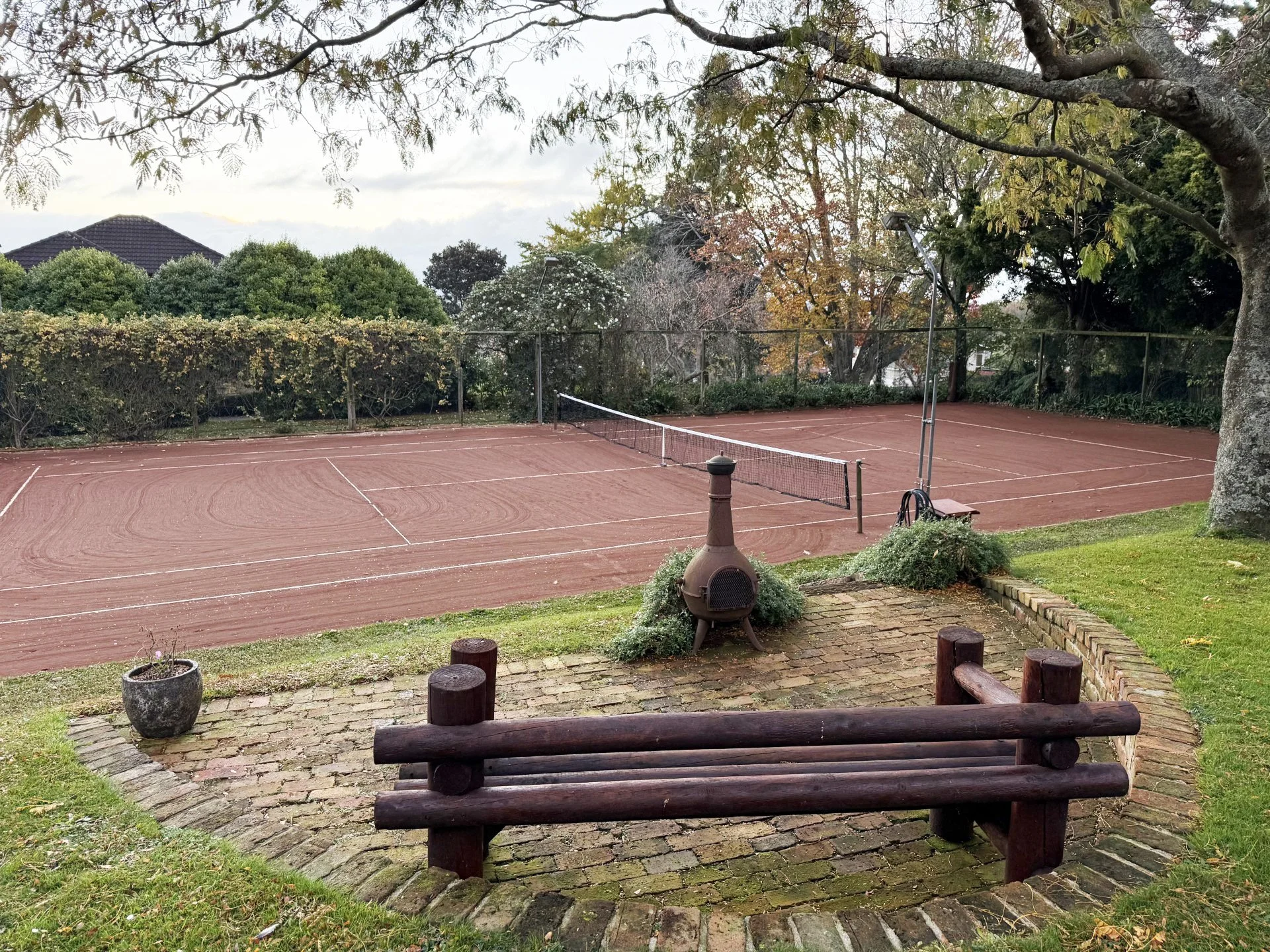
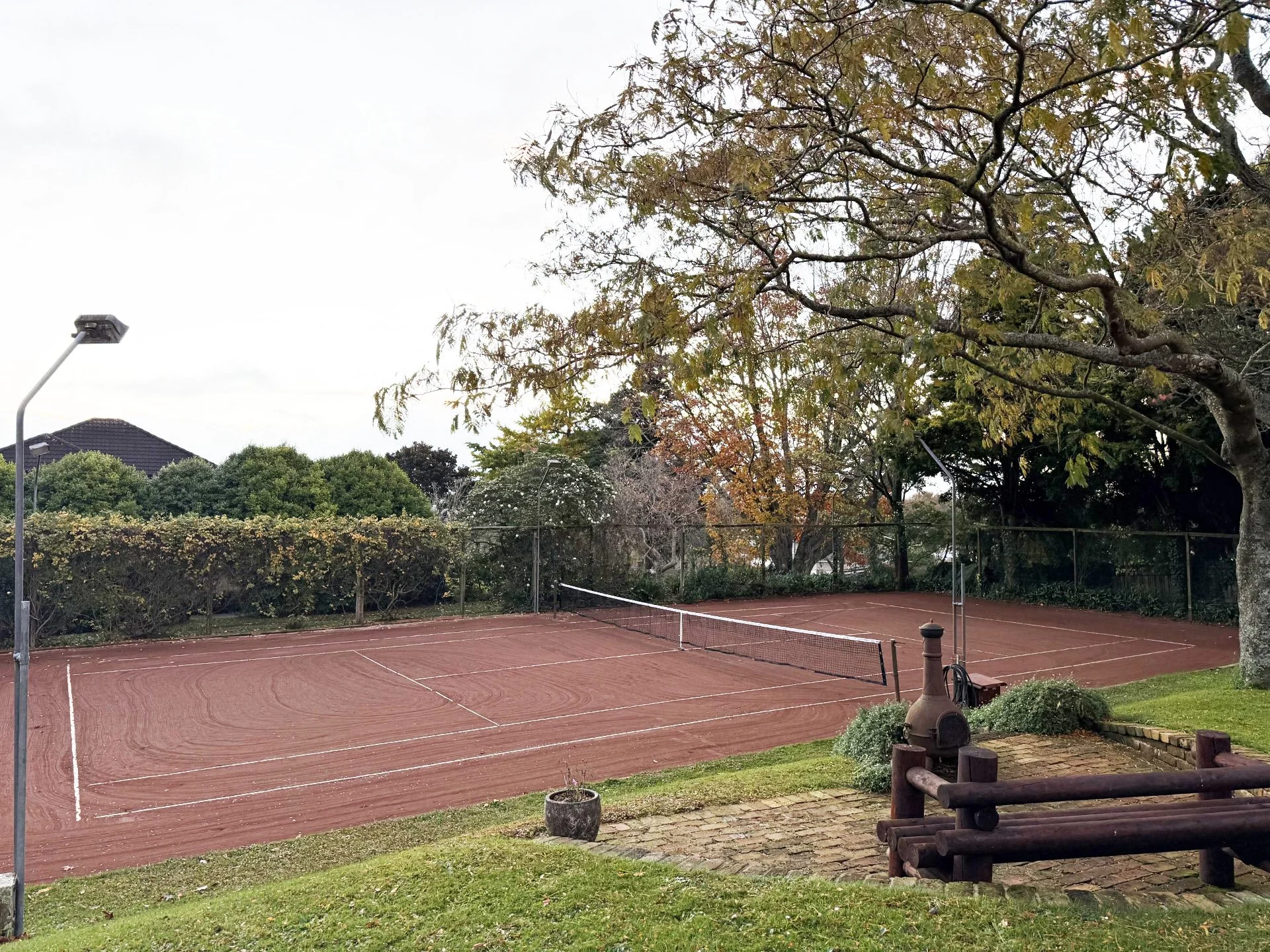
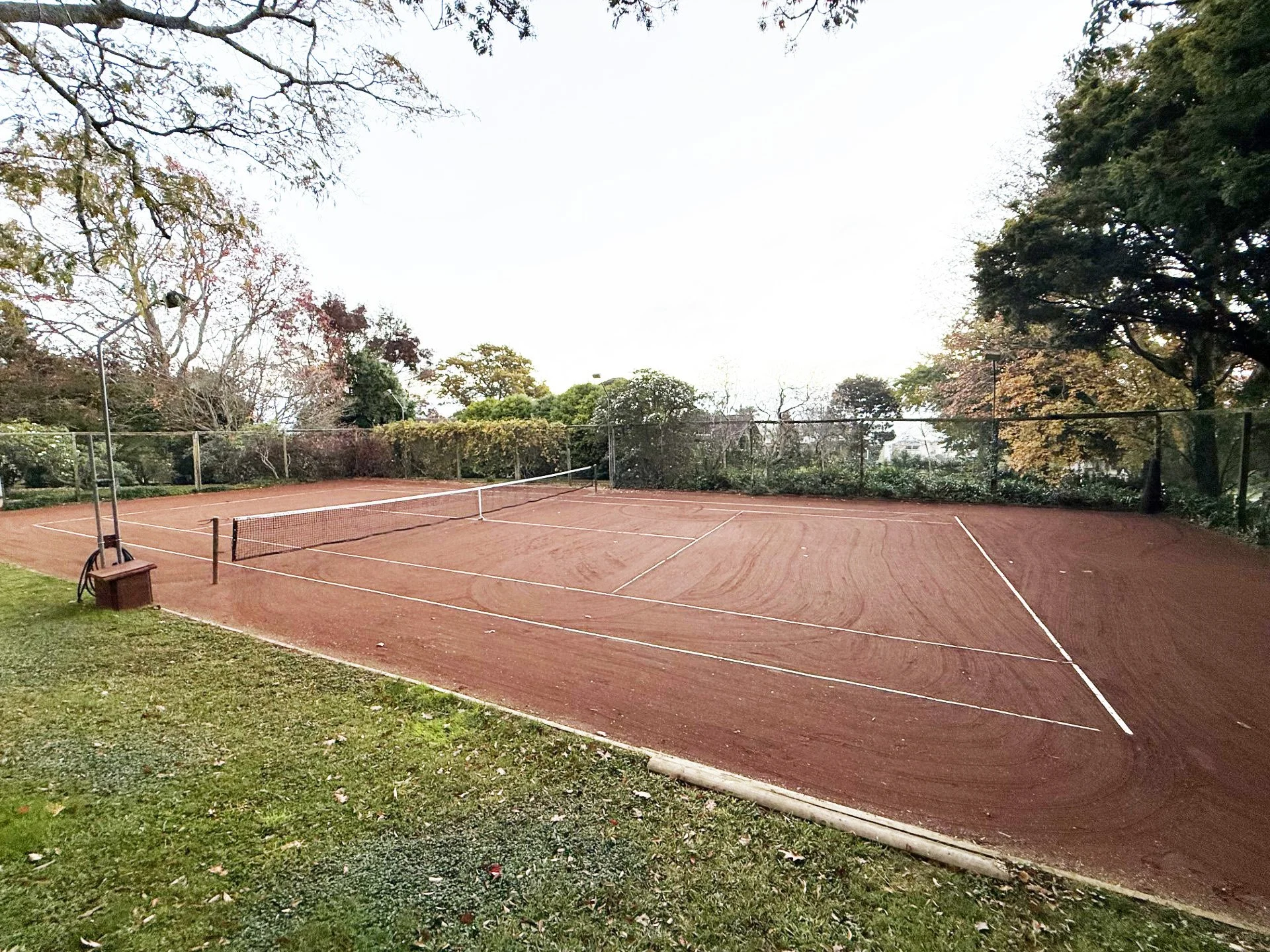
When many courts were being replaced with concrete during the 1980s, he chose a different path. Looking across the fence to a neighbouring paddock, he saw opportunity. A simple exchange of topsoil for clay transformed his family court into one of New Zealand's earliest locally sourced clay tennis courts—a surface that would continue performing for decades.
Fast forward to today, and that same court has inspired another chapter of Kiwi innovation.
After spending more than a decade competing and working on clay courts throughout Europe, Te Awamutu local Tony Morgan returned home with a vision: create a clay court system designed specifically for New Zealand conditions rather than simply copying Europe.

Working alongside Sam Page, the pair experimented with locally sourced materials, eventually discovering the outstanding performance of Waikato Red Jasper.
The result is a surface that combines the playing characteristics of traditional European clay with materials sourced right here in New Zealand. It delivers longer rallies, controlled movement and a rewarding playing experience while remaining practical to maintain in our local climate.
More than anything, the Red Jasper story is a reminder that innovation doesn't always require cutting-edge technology. Sometimes it simply takes experience, curiosity and the confidence to try something different.